Aller au contenu principal
FiveMX
Boutique
Scripts
MLOs
Serveurs complets
Mods gratuits
Outils
Guides
Tous les produits
FiveMX

Commencez à construire votre serveur aujourd'hui.

Ressources FiveM sélectionnées, livraison instantanée, mods gratuits de départ et guides pratiques dans une marketplace apaisée.

Parcourir la boutiquesupport@fivemx.com

Boutique

  • Boutique
  • Tous les produits
  • Mods gratuits
  • Meilleurs scripts & mods
  • Scripts FiveM

Frameworks

  • Scripts QBCore
  • Scripts ESX
  • QBox
  • Standalone

Communauté

  • Blog
  • Assistance
  • Créateurs
  • Affiliation

Mentions légales

  • Politique de confidentialité
  • Conditions d'utilisation
  • Politique de remboursement
  • Livraison numérique
  • Politique des cookies
  • Conformité RGPD
  • DMCA
  • Mentions légales
  • Charte éditoriale
© 2026 FiveMX. Tous droits réservés.·FiveMX n'est pas affilié à Rockstar Games, Take-Two Interactive ou CFX.re. Toutes les marques sont la propriété de leurs détenteurs respectifs.
GitHubDiscordDocs
Table of Contents
How do I install a FiveM server template?What you need before you startStep 1 — Read the template README first (5 minutes)Why this mattersWhat to look forRed flags before unpackingStep 2 — Extract the template into FXServer artifacts (10 minutes)Find your FXServer artifacts folderStop your server in txAdmin firstExtract the template archiveIf the template ships a txAdmin recipeStep 3 — Import the SQL files (10 minutes)Why a fresh database mattersPick your SQL toolImport orderCommon SQL import errors and fixesStep 4 — Configure server.cfg (15 minutes)Where server.cfg livesThe 5 critical values to setHow to find your admin Steam identifierResource start orderComplete annotated server.cfg (QBCore example)Complete annotated server.cfg (ESX Legacy example)Step 5 — Start the server and watch for errors (10 minutes)Start via txAdminThe 6 most common boot errorsStep 6 — Connect and validate the gameplay loop (15 minutes)Connect from the FiveM clientValidation checklist (must work before opening to players)Step 7 — Customize before launch (4–8 hours)The 8 customization knobs every server should changeDon't skip this stepCommon Installation Problems (Troubleshooting Quick Reference)When to ask the seller for supportPre-support checklistWhat support typically coversWhat support typically does not coverAfter installation — what to install nextPick the right template for your install pathFrequently Asked QuestionsHow long does it take to install a FiveM server template?Do I need a separate database for each FiveM server?Can I install a template over an existing server?What if the SQL import fails halfway?Can I install multiple templates and merge them?Do I need Windows or can I install on Linux?What if the template targets an older QBCore or ESX version than I have?

Turn framework research into a launch-ready script stack

Use this guide to narrow the framework decision, then move into the core commercial hubs for verified scripts, curated bundles, and a faster server launch path.

Complete server path

If the article is part of a launch plan, start with full server packs that reduce setup time and connect multiple systems faster.

Open full server packs

Launch faster

Bundles shorten the path from planning to launch by grouping the highest-leverage scripts into a cleaner commercial starting point.

View bundles

Premium catalog

Move from research into the main shop to compare real products, framework labels, screenshots, and production-ready quality signals.

Open premium shop

Disclosure: Some links below are affiliate links to FiveMX products. We may earn a commission at no extra cost to you.

Premium Scripts You Might Like

Free Scripts You Might Like

Related Articles

Create a FiveM server in 15 minutes with txAdmin, 2–4 hours with a server template, or 2–6 months building manually. Three honest paths compared with framework choice, cost, and time-to-launch.

June 6, 2026

To set up a FiveM GTA RP server in 2026, install txAdmin on a Windows or Linux machine with at least 8 GB of RAM, let it download the FXServer artifacts automatically, create an…

January 29, 2026

Yes, you can make a FiveM server for free in 15 minutes with txAdmin. Honest guide to the free path: what works, what doesn't, when to upgrade, and the realistic free-vs-paid math.

June 6, 2026

How to Install a FiveM Server Template (2026) — Step-by-Step Guide

Published on June 6, 2026·by Lars Miller(Founder & Lead Editor)·Credentials·17 min read
Tutorials & Guideshow to install a fivem server template

Install a FiveM server template in 1–2 hours: extract archive, import SQL, configure server.cfg, start txAdmin, validate the gameplay loop. Complete 7-step guide with troubleshooting and customization checklist.

How to Install a FiveM Server Template (2026) — Step-by-Step Guide

Key Takeaways

  • Extract the template archive into your FXServer artifacts folder.
  • Import the included SQL files into a fresh MariaDB or MySQL database before first boot.
  • Update server.cfg with database connection string, cfx.re license key, and Steam Web API key.
  • Validate the core gameplay loop (character creation, money, jobs, MLO entry) before opening to players.
  • Plan 1–2 hours for install plus 4–8 hours for first-week customization.

How to Install a FiveM Server Template (2026) — Complete Step-by-Step Guide

How do I install a FiveM server template?

To install a FiveM server template in 2026, extract the template archive into your FXServer artifacts folder, import the included SQL files into a fresh MariaDB or MySQL database, update server.cfg with your database connection string and license key, start the server via txAdmin, then validate the core gameplay loop (character creation, money, jobs, garages) before opening to players. Most quality templates install in 1–2 hours.

This is the article that should sit open in your second monitor when you buy a template. Every step below maps to a real failure mode we've seen in FiveMX support tickets, and the troubleshooting table at the end resolves the six boot errors that account for roughly 80% of all template installation tickets.

Key takeaways:

  • Extract the template archive into your FXServer artifacts folder.
  • Import the included SQL files into a fresh MariaDB or MySQL database before first boot.
  • Update server.cfg with database connection string, cfx.re license key, and Steam Web API key.
  • Validate the core gameplay loop (character creation, money, jobs, MLO entry) before opening to players.
  • Plan 1–2 hours for install plus 4–8 hours for first-week customization.

What you need before you start

Gather these before you unpack the template archive. Skipping prep is the single biggest cause of failed installs — every one of these items is a hard prerequisite, not a nice-to-have.

  • A fresh FXServer install with the artifacts folder ready. If you have not installed FXServer yet, follow our first.

Frequently Asked Questions

How long does it take to install a FiveM server template?

Most quality templates install in 1–2 hours: extract files, import SQL, configure server.cfg, start the server, and validate the gameplay loop. Plan another 4–8 hours for first-week customization before opening to players.

Do I need a separate database for each FiveM server?

Yes. Each FiveM server should have its own MariaDB or MySQL database. Sharing a database across servers causes job, money, and character data to collide. Create a new database per template install.

Can I install a template over an existing server?

No, not directly. A template assumes a clean framework and database. Installing over an existing server overwrites your data and conflicts with your custom resources. Start a fresh FXServer install for the template, then migrate custom resources one at a time.

What if the SQL import fails halfway?

Drop the database, create it fresh, and re-import. SQL failures are usually caused by foreign key constraints or charset mismatches. Most quality templates ship with utf8mb4 charset and InnoDB engine — match those in your database.

Can I install multiple templates and merge them?

Table of Contents

How do I install a FiveM server template?What you need before you startStep 1 — Read the template README first (5 minutes)Why this mattersWhat to look forRed flags before unpackingStep 2 — Extract the template into FXServer artifacts (10 minutes)Find your FXServer artifacts folderStop your server in txAdmin firstExtract the template archiveIf the template ships a txAdmin recipeStep 3 — Import the SQL files (10 minutes)Why a fresh database mattersPick your SQL toolImport orderCommon SQL import errors and fixesStep 4 — Configure server.cfg (15 minutes)Where server.cfg livesThe 5 critical values to setHow to find your admin Steam identifierResource start orderComplete annotated server.cfg (QBCore example)Complete annotated server.cfg (ESX Legacy example)Step 5 — Start the server and watch for errors (10 minutes)Start via txAdminThe 6 most common boot errorsStep 6 — Connect and validate the gameplay loop (15 minutes)Connect from the FiveM clientValidation checklist (must work before opening to players)Step 7 — Customize before launch (4–8 hours)The 8 customization knobs every server should changeDon't skip this stepCommon Installation Problems (Troubleshooting Quick Reference)When to ask the seller for supportPre-support checklistWhat support typically coversWhat support typically does not coverAfter installation — what to install nextPick the right template for your install pathFrequently Asked QuestionsHow long does it take to install a FiveM server template?Do I need a separate database for each FiveM server?Can I install a template over an existing server?What if the SQL import fails halfway?Can I install multiple templates and merge them?Do I need Windows or can I install on Linux?What if the template targets an older QBCore or ESX version than I have?

Framework hub

Browse QBCore-ready scripts

Move into the QBCore landing page to compare verified scripts, framework fit, and install-ready products built for modern FiveM servers.

Open QBCore hub
Home
Blog
Tutorials & Guides
Compare full server packs
Compare curated bundles
Browse premium FiveM scripts
RSV RP QBCore Server Pack - Complete FiveM Server Foundation

RSV RP QBCore Server Pack - Complete FiveM Server Foundation

128,87 €
ESX Pro Server Template

ESX Pro Server Template

214,78 €
ESX Fully Customized NoPixel Inspired Server (FiveM)

ESX Fully Customized NoPixel Inspired Server (FiveM)

214,78 €
ESX NoPixel Server Script (FiveM)

ESX NoPixel Server Script (FiveM)

128,87 €
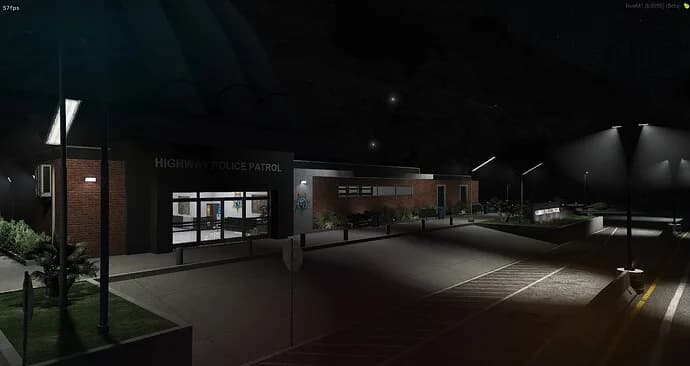
Highway Police Patrol MLO

Highway Police Patrol MLO

354 downloads
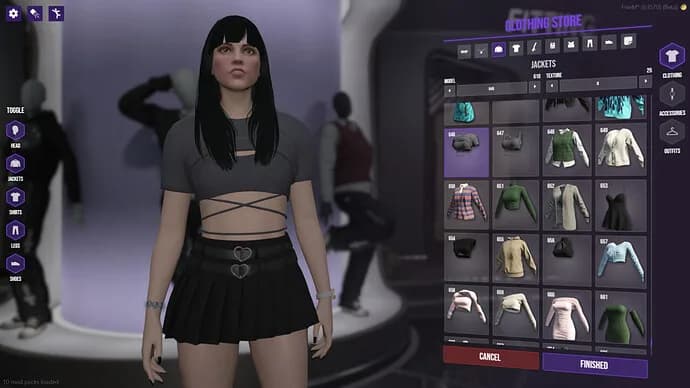
The Most Advanced Appearance

The Most Advanced Appearance

289 downloads
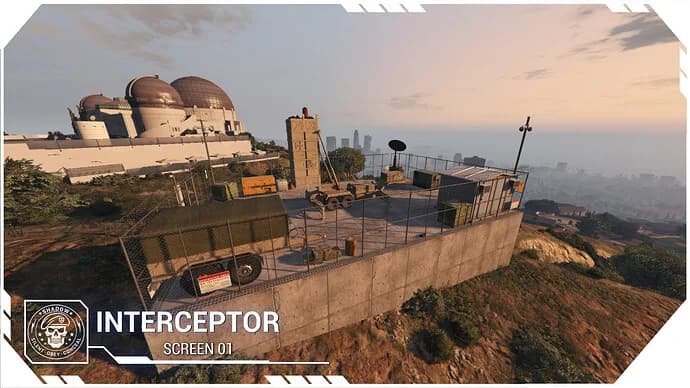
Bunker shadow complex ( MAP + SCRIPT )

Bunker shadow complex ( MAP + SCRIPT )

267 downloads
Italian Pizzeria - Vespucci Pizza [FiveM MLO]

Italian Pizzeria - Vespucci Pizza [FiveM MLO]

253 downloads
How to Create a FiveM Server in 2026 — Free, Template & Manual Paths
How to Set Up a FiveM GTA RP Server (2026) — Complete Step-by-Step Guide
How to Make a FiveM Server for Free in 2026 — Honest Guide
  • txAdmin running on port 40120. The recipe installer and console log both live in the txAdmin web panel.
  • A blank MariaDB or MySQL database. Use MariaDB 10.6+ or MySQL 8.0+ for full compatibility with modern QBCore and ESX Legacy. Each template needs its own database — never share.
  • A Steam Web API key from steamcommunity.com/dev/apikey. Free, takes 30 seconds.
  • A cfx.re license key from keymaster.fivem.net. Each public IP gets one key.
  • The template archive from FiveMX or another seller, downloaded but not yet extracted.
  • Basic comfort with file extraction and a text editor (VS Code, Notepad++, or any Lua-aware editor).
  • If you tick every box above, the install itself is mostly waiting for file copies and SQL imports. The time-consuming part is the validation checklist in Step 6 — that is where you confirm the template actually works before opening it to players.

    Step 1 — Read the template README first (5 minutes)

    The README is the highest-value document in the template archive. It is also the document most buyers never open. Reading it before you extract a single file prevents roughly half of the "it doesn't work" tickets in our support queue.

    Why this matters

    Templates target specific framework versions. A QBCore template built for build #7123 of QBCore will not boot cleanly on build #7580 because QBCore renames exports and dependencies between major versions. The README tells you which version it expects.

    What to look for

    • Required QBCore/ESX version — usually a build number or release tag.
    • Required ox_lib version — the modern QBCore ecosystem is built on ox_lib, and the version pins which exports are available.
    • Required MariaDB version — most templates want 10.6+ for full JSON column support.
    • Dependency list — every resource the template expects to find (oxmysql, ox_lib, ox_inventory, etc.).
    • Known conflicts — resources that ship with the template but should not be started if you already have them.
    • License key and Discord — most sellers require Discord contact for support. Open the ticket channel now, not after the install fails.

    Red flags before unpacking

    If the README is missing, two pages long, or only links to a YouTube video, that is a quality signal. FiveMX templates ship with detailed READMEs because we eat the support cost of unclear installs. If the seller is anonymous, has fewer than 50 sales, or refuses to share a preview of the README, pick another template.

    Step 2 — Extract the template into FXServer artifacts (10 minutes)

    The template archive is just a zip or rar of a resource folder. Extracting it is straightforward, but the order matters — if you extract while the server is running, partial files will be locked and you will get cryptic boot errors.

    Find your FXServer artifacts folder

    The artifacts folder is wherever you extracted the FXServer build. Common paths:

    • Windows (default txAdmin): C:\Users\<you>\txAdmin\FXServer\server-data\resources\
    • Windows (manual): C:\FXServer\server-data\resources\
    • Linux (txAdmin): /home/<user>/txAdmin/FXServer/server-data/resources/
    • Linux (manual): /opt/fivem/server-data/resources/

    The resources folder is where every script on your server lives. [standalone] subfolders are auto-loaded; [group] subfolders are loaded as a group.

    Stop your server in txAdmin first

    Open the txAdmin web panel (default http://your-server-ip:40120) and stop the server before extracting. If you skip this, Windows file locks can leave half-extracted resources that fail on the next boot.

    Extract the template archive

    Use 7-Zip (Windows) or unzip (Linux). Drag the contents of the archive into the resources folder. The file structure should look something like this:

    server-data/
    ├── resources/
    │   ├── [standalone]/
    │   ├── [group]/
    │   ├── [qb]/
    │   │   ├── qb-core/
    │   │   ├── qb-multicharacter/
    │   │   ├── qb-spawn/
    │   │   ├── qb-apartments/
    │   │   ├── qb-policejob/
    │   │   ├── qb-ambulancejob/
    │   │   ├── qb-taxijob/
    │   │   ├── qb-vehicleshop/
    │   │   └── ...
    │   ├── [esx]/
    │   ├── [voice]/
    │   ├── [maps]/
    │   ├── [ox]/
    │   │   ├── oxmysql/
    │   │   ├── ox_lib/
    │   │   └── ox_inventory/
    │   └── [standalone]/esx_skin/
    

    The bracketed folder names are txAdmin resource groups. Anything in [standalone] starts automatically; anything in [qb] only starts when you tell server.cfg to start the group.

    If the template ships a txAdmin recipe

    Some sellers ship a txAdmin recipe (a .yaml or .json file that auto-deploys the template). If your template includes one, use it — the recipe handles resource ordering, dependency checks, and config replacement for you. Import it from the txAdmin Setup → Recipe menu.

    Step 3 — Import the SQL files (10 minutes)

    The SQL files are the template's database schema. They define the tables for players, characters, vehicles, jobs, inventory items, gang data, and dozens of other systems. Skip the import and your server boots to a "framework loaded, no tables" state that is hard to recover from.

    Why a fresh database matters

    A template expects a clean schema. If you import into a database that already has tables from a different framework, foreign key constraints will fail. Always create a new, empty database for each template install.

    Pick your SQL tool

    Any of these work — pick whichever you already have installed:

    • HeidiSQL (Windows, free) — best for beginners
    • phpMyAdmin (web UI, ships with most MariaDB installs) — best for shared hosting
    • DBeaver (cross-platform, free) — best for power users
    • MySQL CLI (mysql -u root -p database < file.sql) — best for Linux servers and automation

    Import order

    Templates usually ship SQL files in two or three groups. The order matters:

    1. Framework SQL first (e.g., qbcore-framework.sql, esx.sql, qbox.sql) — creates the base tables.
    2. Template SQL second (e.g., template-content.sql, template-jobs.sql) — adds template-specific rows, default items, default vehicles.
    3. Optional addons last — any separate SQL files for premium scripts that ship with the template.

    If the archive contains a 0_base.sql / 1_content.sql naming scheme, the numbers are your import order. The template README will spell this out if it differs.

    Common SQL import errors and fixes

    • "Access denied for user" — wrong username or password. Re-check the user privileges on the database.
    • "Unknown collation: 'utf8mb4_0900_ai_ci'" — your MariaDB is older than 10.6. Either upgrade MariaDB or open the SQL file and replace utf8mb4_0900_ai_ci with utf8mb4_general_ci.
    • "Duplicate key name" — you are re-importing into a database that already has the tables. Drop the database, recreate it, and re-import.
    • "Foreign key constraint fails" — you imported files in the wrong order. Drop and re-import in the README's listed order.

    Step 4 — Configure server.cfg (15 minutes)

    The server.cfg is the brain of your FiveM server. It tells FXServer which resources to start, in what order, with which settings. This step is where most first-time template owners get stuck, so we will go line by line.

    Where server.cfg lives

    The file is at server-data/server.cfg (one folder above the resources folder). Open it in any text editor.

    The 5 critical values to set

    These are non-negotiable. Get them wrong and your server will not start, or it will start but reject every connection.

    # 1. cfx.re license key — get yours at https://keymaster.fivem.net
    sv_licenseKey "your_license_key_here"
    
    # 2. Steam Web API key — get yours at https://steamcommunity.com/dev/apikey
    steam_webApiKey "your_steam_web_api_key_here"
    
    # 3. Server hostname (visible in the FiveM server browser)
    sv_hostname "My FiveM Server | FiveMX QBCore"
    
    # 4. Max players
    sv_maxclients 48
    
    # 5. Database connection string
    set mysql_connection_string "mysql://user:password@localhost:3306/my_template_db?charset=utf8mb4"
    

    Note: QBCore and ESX Legacy use slightly different connection string formats. QBCore wants mysql://user:password@host:port/database?charset=utf8mb4 while ESX Legacy (with oxmysql) uses the same format. If your template ships its own database wrapper, follow the README.

    How to find your admin Steam identifier

    To give yourself admin permissions, you need your Steam identifier (SteamID64). Connect to your server once, open F8, and run status. The output lists every connected player with their Steam identifier. Copy yours into the admin block:

    add_ace group.admin command allow
    add_ace group.admin command.quit deny
    add_principal identifier.steam:YOUR_STEAMID64_HERE group.admin
    

    Resource start order

    Resources must start in the correct order or the framework crashes on boot. The standard order is:

    ensure oxmysql
    ensure ox_lib
    ensure qb-core           # or es_extended / qbx_core
    ensure ox_inventory
    ensure qb-multicharacter # or qbx_spawn / esx_skin
    ensure [voice]            # pma-voice, mumble-voip, or saltychat
    ensure [qb]               # or [esx] / [qbx] — loads every job, garage, apartment, MLO
    ensure [standalone]
    ensure [maps]
    

    QBCore templates usually start [qb] as a group. ESX templates use [esx_addons], [esx_jobs], [esx_vehicles], etc. — the exact group name is in the template README.

    Complete annotated server.cfg (QBCore example)

    sv_hostname "My FiveM Server"
    sv_maxclients 48
    sv_licenseKey "abc123def456"
    steam_webApiKey "xyz789uvw012"
    
    # Locale and metadata
    sets sv_projectName "MyServer"
    sets sv_projectDesc "Roleplay community"
    sets locale "en"
    
    # MySQL (oxmysql)
    set mysql_connection_string "mysql://fivem:secret@127.0.0.1:3306/myserver?charset=utf8mb4"
    
    # OneSync (required for 64+ slots and modern QBCore)
    set onesync on
    
    # Admin
    add_ace group.admin command allow
    add_principal identifier.steam:76561198000000000 group.admin
    
    # Voice and chat
    sv_voiceMode "vpoke"
    
    # Resource start order
    ensure oxmysql
    ensure ox_lib
    ensure qb-core
    ensure ox_inventory
    ensure qb-multicharacter
    ensure pma-voice
    ensure [qb]
    ensure [standalone]
    ensure [maps]
    

    Complete annotated server.cfg (ESX Legacy example)

    sv_hostname "My ESX Server"
    sv_maxclients 48
    sv_licenseKey "abc123def456"
    steam_webApiKey "xyz789uvw012"
    
    set mysql_connection_string "mysql://fivem:secret@127.0.0.1:3306/myserver?charset=utf8mb4"
    set onesync on
    
    add_ace group.admin command allow
    add_principal identifier.steam:76561198000000000 group.admin
    
    ensure oxmysql
    ensure ox_lib
    ensure es_extended
    ensure esx_skin
    ensure ox_inventory
    ensure [voice]
    ensure [esx_addons]
    ensure [esx_jobs]
    ensure [esx_vehicles]
    ensure [maps]
    

    Step 5 — Start the server and watch for errors (10 minutes)

    You have the artifacts in place, the SQL imported, and the server.cfg filled out. Time to start the server and watch the console log carefully. Most install failures show up in the first 30 seconds of the boot sequence.

    Start via txAdmin

    1. Open the txAdmin web panel.
    2. Click Start Server.
    3. Watch the Live Console tab. Do not navigate away — the first boot is where errors surface.
    4. Wait for the line [txAdmin] Server is now running (or similar).

    The 6 most common boot errors

    These six errors account for the vast majority of failed template installs. We list them in the order you are likely to hit them, with the fix for each.

    1. oxmysql could not connect — Your database connection string is wrong. Double-check user, password, host, port, and database name. The fix:

    set mysql_connection_string "mysql://USER:PASSWORD@HOST:PORT/DATABASE?charset=utf8mb4"
    

    Test the connection from the same machine with mysql -u USER -p -h HOST -P PORT DATABASE before retrying.

    2. License key invalid — The cfx.re license key is wrong, expired, or tied to a different IP. The fix:

    • Log in to keymaster.fivem.net.
    • Confirm the key is registered to your server's public IP.
    • Copy-paste carefully — no trailing spaces, no quotes inside the value.

    3. Resource [name] failed to start — A resource tried to start before one of its dependencies. The fix:

    • Check the resource start order in server.cfg.
    • Ensure oxmysql, ox_lib, and the framework (qb-core / es_extended / qbx_core) start before any resource that depends on them.
    • Look for a dependencies field in the resource's fxmanifest.lua.

    4. Failed to load resource [job] — The SQL import for that job's table is incomplete. The fix:

    • Open the template's SQL files and confirm you imported them all.
    • Check the resource's config file for the exact table name it expects.

    5. Schema validation failed — A required database table is missing. The fix:

    • Drop the database, recreate it, and re-import all SQL files in the README's order.
    • Confirm you created the database with utf8mb4 charset and InnoDB engine.

    6. Steam Web API not configured — The steam_webApiKey value is missing or wrong. The fix:

    • Get a key at steamcommunity.com/dev/apikey.
    • Paste it into server.cfg without quotes inside the value.

    Step 6 — Connect and validate the gameplay loop (15 minutes)

    The server is up. Before you tell anyone, validate that the core systems actually work. Most template owners skip this and ship a server that crashes the moment a player tries to create a character.

    Connect from the FiveM client

    1. Open FiveM.
    2. Press F8 to open the developer console.
    3. Type connect localhost:30120 and press Enter.
    4. The server should connect you in 5–10 seconds.

    Validation checklist (must work before opening to players)

    Tick every box below. If any item fails, do not open the server publicly — fix it first.

    • Character creation completes and saves — you pick a name, appearance, and the character appears in the multicharacter selector on relog.
    • Money displays correctly in the HUD — cash and bank show real numbers, not 0 or null.
    • Police station MLO loads — teleport to the station as police and the interior renders without z-fighting or missing assets.
    • Hospital MLO loads — same check for the EMS interior.
    • At least one civilian job works — start as a mechanic or taxi driver, complete a single job cycle, and confirm the paycheck arrives.
    • Inventory opens and items can be moved — open the inventory, drag an item between slots, close and reopen to confirm it persists.
    • Phone opens with basic apps — open the in-game phone, confirm the dialer, contacts, and at least one messaging app load.
    • Vehicle spawning works — use an admin command (car [model]) or visit a vehicle shop and confirm the vehicle spawns, drives, and saves to the garage.
    • Save and reconnect — disconnect from the server, reconnect, and confirm your character, money, and inventory are exactly as you left them.

    If a checklist item fails, open the txAdmin console and search for the resource name in the error log. The fix is almost always a missing dependency, a typo in server.cfg, or a SQL table that did not import.

    Step 7 — Customize before launch (4–8 hours)

    The template is installed, validated, and works end-to-end. Now comes the work that turns a template into your server: customization. Skip this step and you have a generic server that feels like every other template install.

    The 8 customization knobs every server should change

    These are the eight values that have the biggest impact on how your server feels. Tweak them before you open to players.

    1. sv_hostname and sv_projectName — your brand identity. Make them memorable, searchable, and unique.
    2. Default starting money — too high breaks the economy on day one. Most servers set this to €1,000–€5,000 cash, €5,000–€10,000 bank.
    3. Vehicle prices — varies wildly by community. Tuner cars €80k–€200k, supercars €500k–€1.5M, addons €10k–€50k.
    4. Drug yields and prices (if applicable) — tweak the price-per-gram to match your economy's inflation rate.
    5. Heist payouts and cooldowns — too generous and players burn out in a week. Most mature servers pay €50k–€200k per heist with a 4–24 hour cooldown.
    6. Job paychecks — too low and nobody plays civilian jobs. Most servers pay €200–€800 per paycheck cycle.
    7. Discord webhook URLs for logs — wire your admin logs, money logs, and chat logs into a private Discord channel.
    8. Server rules and tags — visible in the FiveM server browser. Use them to set player expectations.

    Don't skip this step

    Template defaults are starting points, not final values. A template that ships with €1M starting cash works for testing but destroys a live economy in a week. Plan a full customization pass — server owners who skip it always come back to it after the first player complaint.

    Common Installation Problems (Troubleshooting Quick Reference)

    SymptomLikely causeFix
    Server starts then crashesResource missing or wrong start orderCheck server.cfg ensure order; confirm all dependencies are in resources/
    "License invalid" loopWrong key or expiredRegenerate at keymaster.fivem.net
    Players spawn under mapSpawn coordinates wrongEdit qb-spawn / esx_skin spawn coordinates to match your MLO
    Inventory items don't displayItem images missingCopy the /images/ folder from the ox_inventory docs into your resources
    MLO doesn't loadYMAP/YBN not streamedCheck the stream/ folder is set as a stream in fxmanifest
    Can't connect: "ticket invalid"Steam Web API key wrongVerify steam_webApiKey in server.cfg — no trailing whitespace

    When to ask the seller for support

    Templates are complex bundles of dozens of resources. Even with a clean install, something will not behave as expected. Before you open a support ticket, run through this checklist — it solves roughly 70% of "support needed" cases.

    Pre-support checklist

    1. Did you read the README? If not, read it now. The answer is almost always there.
    2. Are you on the targeted framework version? Pin your FXServer build to the version the README lists.
    3. Did you import all SQL files in order? Drop the database, recreate it, and re-import cleanly.
    4. Are dependencies installed? oxmysql, ox_lib, and ox_inventory are required by most modern templates.
    5. Did you check the console log for the actual error? Copy the last 20 lines of the txAdmin console into the ticket. "It doesn't work" is not enough — the error message is.

    What support typically covers

    • Framework-specific configuration questions
    • SQL import errors with the exact error message
    • Resource conflicts caused by the template
    • License key and download access issues

    What support typically does not cover

    • Custom script requests
    • Modifying the template for your specific community
    • Hosting or VPS issues unrelated to the template
    • Refunds after the template has been extracted and SQL imported

    After installation — what to install next

    The template is your foundation. To turn it into a server players want to join, add the layers below.

    • Anti-cheat if not bundled. Most templates ship with a basic anti-cheat, but production servers add a dedicated one.
    • Voice chat — Mumble-VoIP (free), pma-voice (free, modern), or SaltyChat (premium, 3D spatial audio).
    • Additional MLOs — see the FiveM MLO interiors category for hospital, police station, and custom interior addons.
    • More vehicles — browse the vehicles category for add-on cars, planes, and boats.
    • Premium scripts — see the FiveM scripts hub for jobs, housing, phone apps, and gang systems.

    Pick the right template for your install path

    If you have not picked a template yet, these are the verified FiveMX options for each major framework. Each ships with a detailed README, a txAdmin recipe, and a Discord support channel.

    • QBCore path — QBCore server template for the modern default, active development, and the largest script ecosystem.
    • ESX path — ESX server template if your team has existing ESX experience or you need maximum script compatibility.
    • NoPixel-inspired path — NoPixel server template if you want a premium RP feel with minigames, custom HUD, and pro systems out of the box.
    • Free path — Free FiveM server template for prototyping, learning, or friends-only servers.
    • All templates — Browse the full-servers category to compare features and prices side by side.

    Frequently Asked Questions

    How long does it take to install a FiveM server template?

    Most quality templates install in 1–2 hours: extract files, import SQL, configure server.cfg, start the server, and validate the gameplay loop. Plan another 4–8 hours for first-week customization before opening to players.

    Do I need a separate database for each FiveM server?

    Yes. Each FiveM server should have its own MariaDB or MySQL database. Sharing a database across servers causes job, money, and character data to collide. Create a new database per template install.

    Can I install a template over an existing server?

    No, not directly. A template assumes a clean framework and database. Installing over an existing server overwrites your data and conflicts with your custom resources. Start a fresh FXServer install for the template, then migrate custom resources one at a time.

    What if the SQL import fails halfway?

    Drop the database, create it fresh, and re-import. SQL failures are usually caused by foreign key constraints or charset mismatches. Most quality templates ship with utf8mb4 charset and InnoDB engine — match those in your database.

    Can I install multiple templates and merge them?

    Not recommended. Templates assume their own SQL schema, resource order, and config files. Merging causes conflicts that take more time to resolve than building from scratch. Pick one template and add individual scripts from other sources.

    Do I need Windows or can I install on Linux?

    Both work. Most templates ship Windows-friendly file paths but install cleanly on Ubuntu 20+/Debian 11+ with the Linux FXServer artifacts. Linux is recommended for production servers because of better RAM management and lower hosting costs.

    What if the template targets an older QBCore or ESX version than I have?

    Pin your FXServer install to the framework version the template targets. Forced upgrades break templates because internal APIs change. The product page should list the targeted version — if it does not, ask the seller before buying.
    Not recommended. Templates assume their own SQL schema, resource order, and config files. Merging causes conflicts that take more time to resolve than building from scratch. Pick one template and add individual scripts from other sources.

    Do I need Windows or can I install on Linux?

    Both work. Most templates ship Windows-friendly file paths but install cleanly on Ubuntu 20+/Debian 11+ with the Linux FXServer artifacts. Linux is recommended for production servers because of better RAM management and lower hosting costs.

    What if the template targets an older QBCore or ESX version than I have?

    Pin your FXServer install to the framework version the template targets. Forced upgrades break templates because internal APIs change. The product page should list the targeted version — if it does not, ask the seller before buying.

    More on This Topic

    How To Create a FiveM Server TrailerHow to Install ReShade on FiveM: Ultimate 2026 Graphics GuideFiveM Full Server Download: Complete Server Packs Explained (2026)How to Run a FiveM Server Using Docker: Complete Setup GuideHow to Use FiveM Mods: Complete Installation Guide
    Previous Article

    How to Create a FiveM Server in 2026 — Free, Template & Manual Paths

    Next Article

    How to Make a FiveM Server for Free in 2026 — Honest Guide

    FiveM server setup guide