Frequently Asked Questions
Everything you need to know about FiveM HUD scripts.
What are FiveM HUD scripts?+
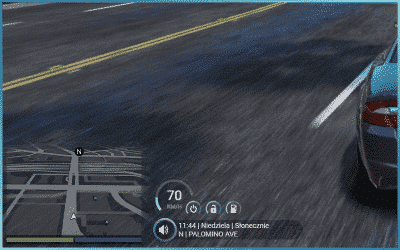
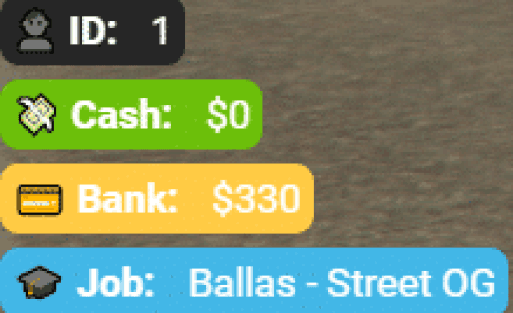
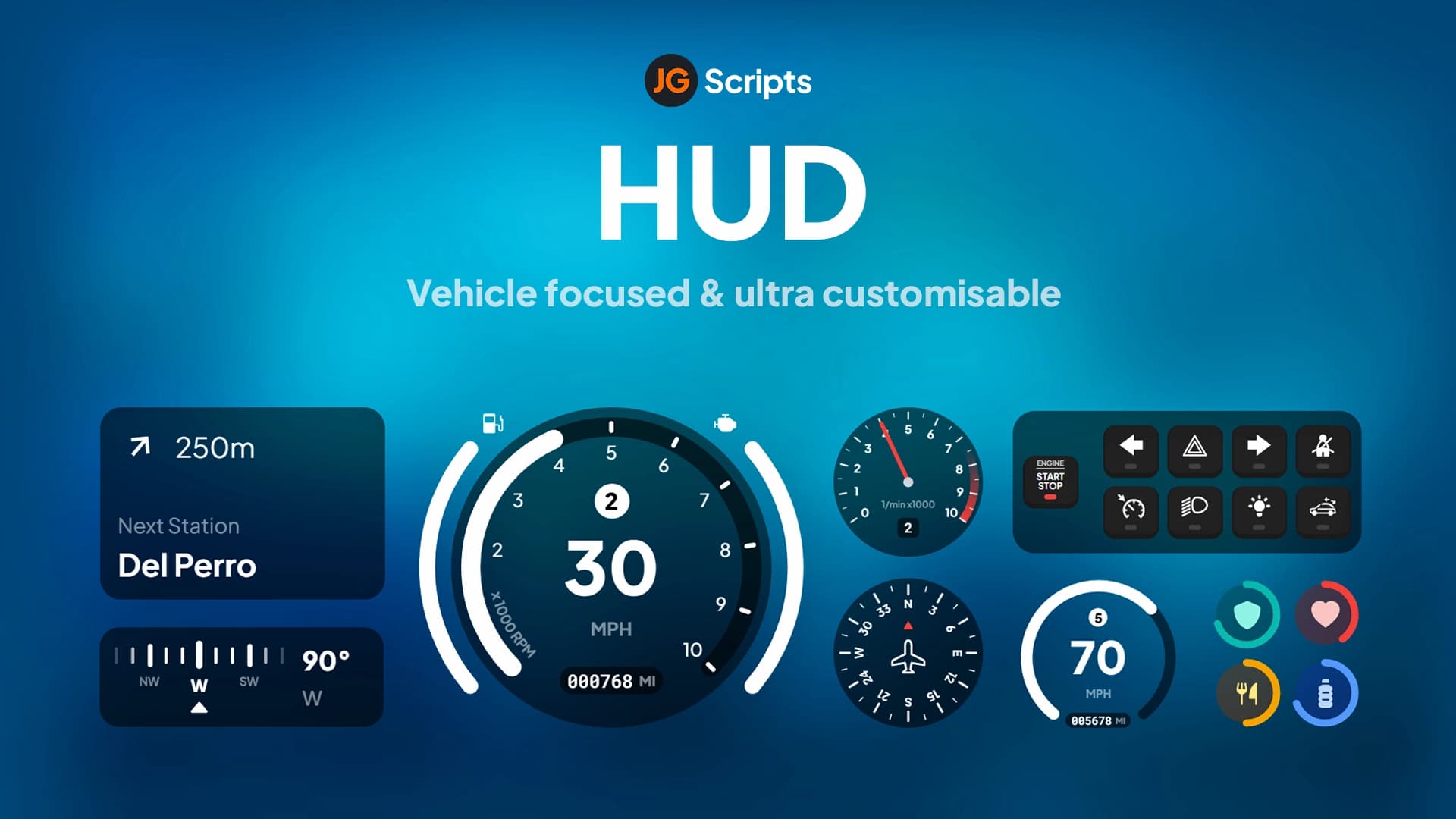
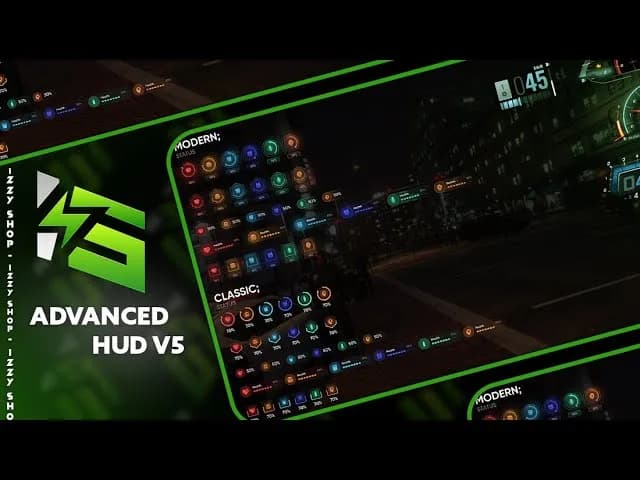
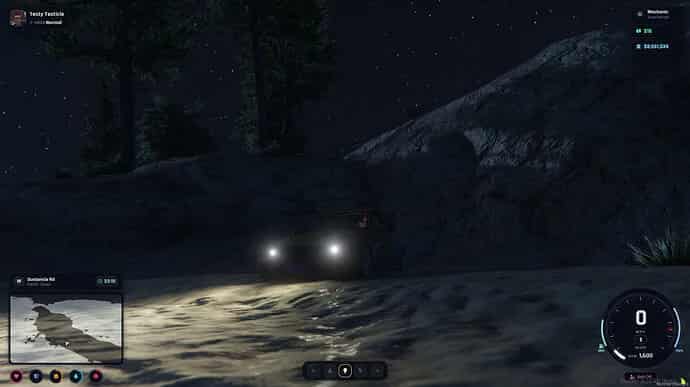
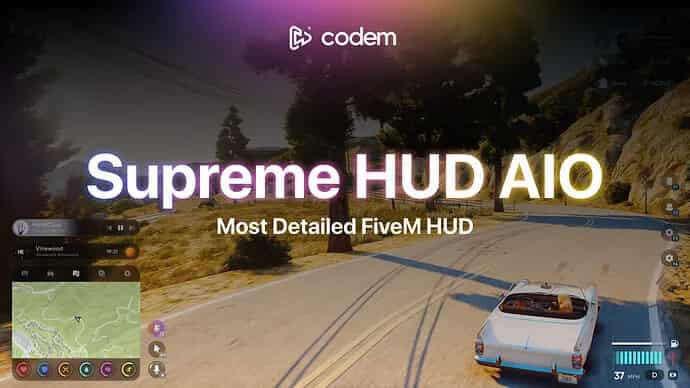
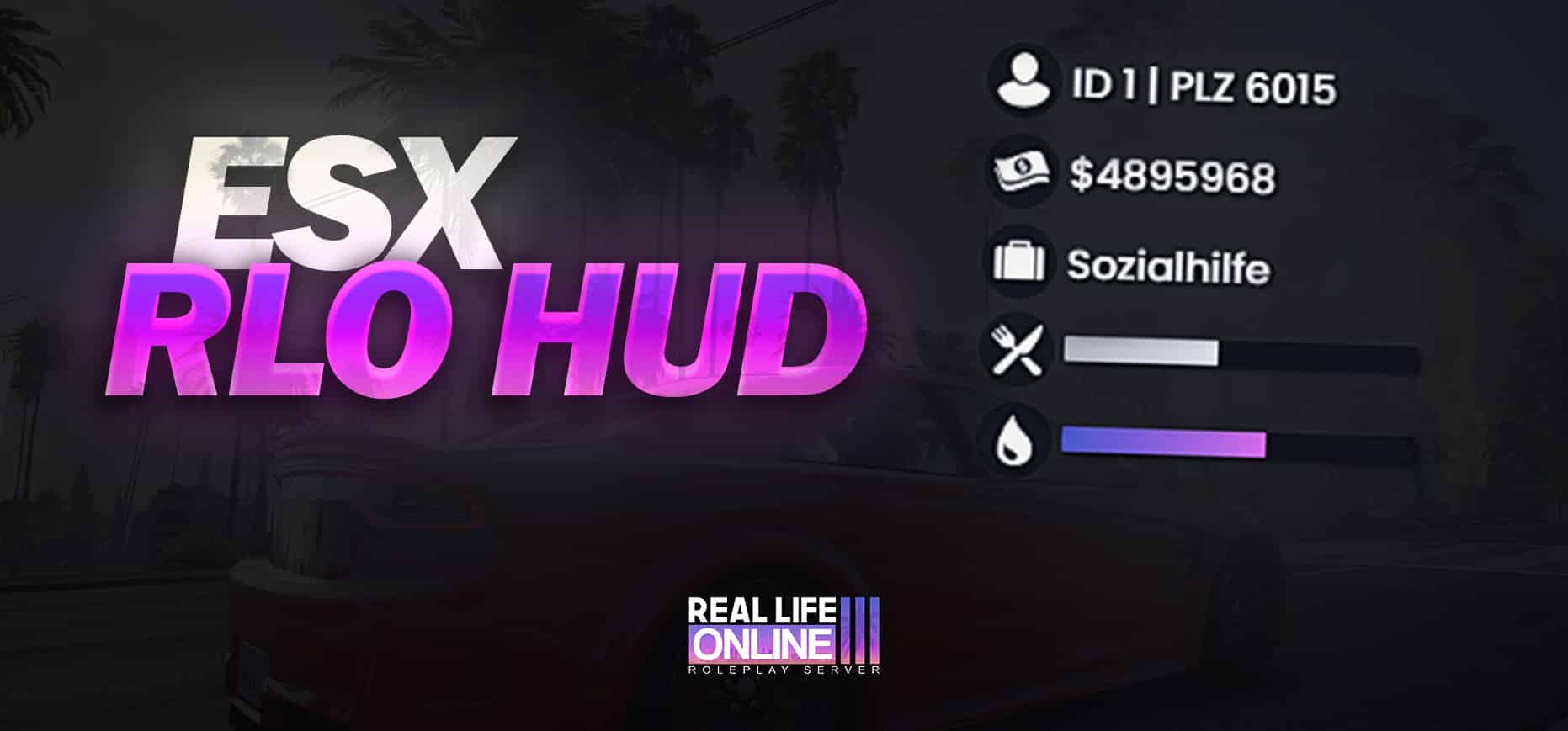
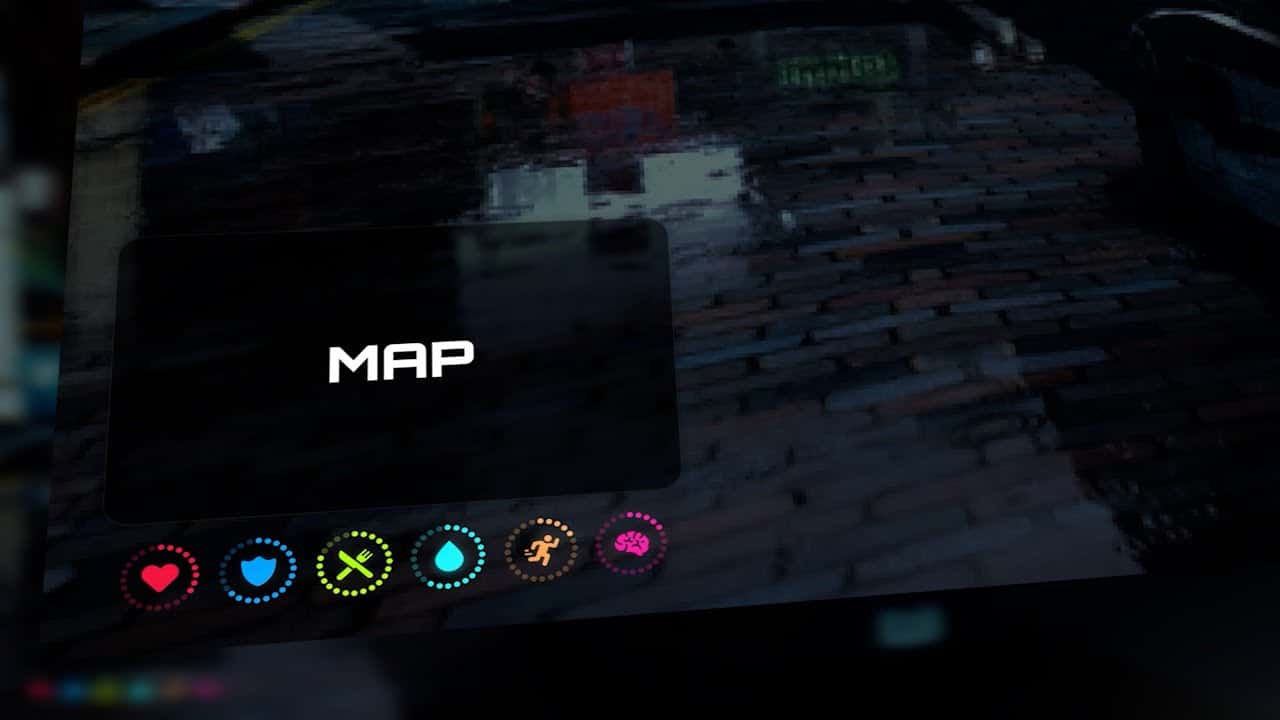
FiveM HUD scripts replace GTA V's default heads-up display with a custom interface designed for roleplay servers. A HUD renders real-time information on the player's screen: health, armor, hunger, thirst, stamina, stress, oxygen level, and dirty level alongside a speedometer, fuel gauge, seatbelt indicator, and minimap. Advanced HUDs also display job name, duty status, cash balance, bank balance, and voice activity so players always know their character's state at a glance. All of this runs as an NUI overlay rendered in HTML/CSS/JavaScript, which means HUDs can match your server's visual identity — dark themes, glassmorphism, minimalist designs, or animated status bars. A well-configured HUD dramatically improves player immersion and is one of the first things new players notice about your server.
How do I install a HUD script?+
To install a FiveM HUD script: (1) Download the resource and place the folder in your server's resources/ directory. (2) Open server.cfg and add "ensure [hud-resource-name]" — position it after your framework (qb-core or es_extended) to avoid load-order errors. (3) Open the HUD's config.lua or config.js and set your framework (ESX/QBCore/QBox) and which status bars you use (hunger, thirst, stress). (4) Disable GTA V's built-in HUD components if needed — many HUDs do this automatically via native calls, but some require you to add a DisableHUD export call in your client scripts. (5) If you are replacing an existing custom HUD, remove the old resource entirely and delete its ensure line from server.cfg to prevent element duplication. (6) Restart the server and press F8 to check for errors. If status bars show wrong values, verify your framework exports match what the HUD config expects.
Are there free FiveM HUD scripts?+
Yes — free FiveM HUD scripts are widely available and some are production-quality. Community-made HUDs on GitHub and the FiveM forums cover a range of styles from minimal health bars to full-featured displays with speedometers and minimaps. Free HUDs are a good fit for new servers or lightweight setups that do not need deep customization. Premium HUD scripts offer significantly more: professional UI design with animation libraries, per-player settings panels (so each player can customize their own layout), smooth transitions, NUI performance optimization, theme/color customization without code changes, mobile-responsive layouts for players with smaller monitors, and active developer support. For servers competing on player experience, the visual polish of a premium HUD is one of the highest-value-per-cost upgrades available.
What makes a good FiveM HUD?+
A great FiveM HUD in 2026 should score well on four criteria. Performance: it should run under 0.02ms idle and under 0.05ms during active gameplay — check the developer's resmon screenshots before buying. Completeness: it should display health, armor, hunger, thirst, stamina, stress, oxygen, voice indicator, speedometer, fuel, seatbelt, minimap toggle, job info, and money without needing extra scripts for each element. Customizability: server owners need easy config access to toggle elements, change thresholds, and update visual styling without modifying source code. Player control: modern HUDs include an in-game command or menu that lets players show/hide elements and reposition them to their preference. Beyond features, active maintenance matters — HUDs break when FiveM updates change native behavior, so check the last update date and community feedback.
Are HUD scripts framework-specific?+
Most FiveM HUD scripts are framework-dependent because they read player stats (hunger, thirst, job, money) from framework exports or shared objects. QBCore HUDs use QBCore.Functions.GetPlayerData(), while ESX HUDs hook into ESX.GetPlayerData(). A QBCore HUD will not work on an ESX server without modification. However, many modern premium HUDs ship with framework adapters in config.lua — you set Config.Framework = "esx" or "qbcore" or "qbox" and the HUD switches its data sources automatically. QBox compatibility specifically requires confirmation since QBox exports differ from QBCore. Standalone HUDs that read values from local player natives (health, armor) work without any framework but miss job and economy integration. Always check if the HUD requires ox_lib for its notification system or menu, as that adds a dependency if ox_lib is not already on your server.
How do I rearrange or hide specific HUD elements?+
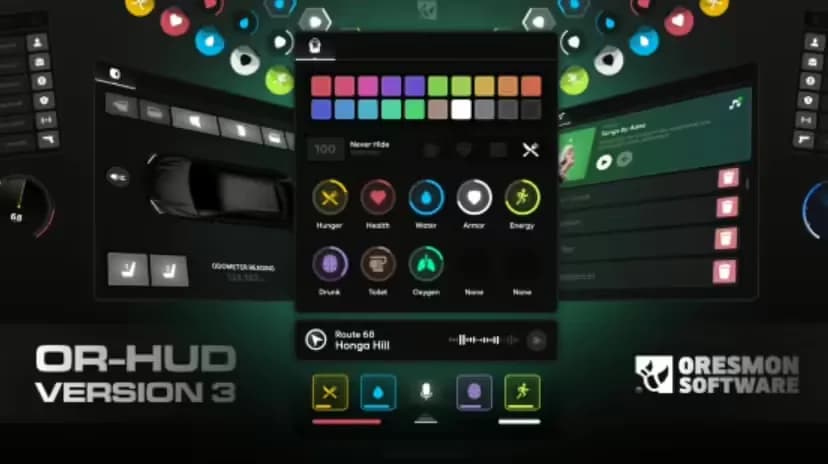
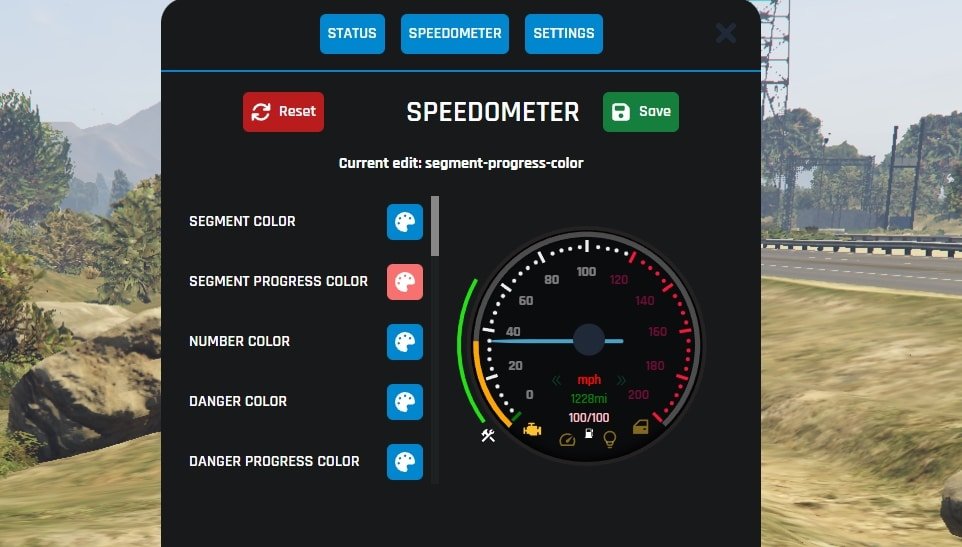
Customizing a FiveM HUD layout depends on whether the HUD uses a static config file or a dynamic in-game editor. Config-based HUDs expose a config.lua or config.js where each element has X/Y coordinates, visibility toggles, color settings, and scale values — you edit the file and restart the resource to see changes. Dynamic HUDs let players open a settings panel in-game (usually via /hud or a NUI command) where they drag and drop elements to their preferred position, toggle individual bars on/off, pick from color themes, and save their layout per character. Premium HUDs typically support both: server admins configure defaults in config.lua, and players personalize within those bounds using the in-game editor. If you want to show only specific elements — for example, just health and a speedometer for a racing server — look for a HUD where each element can be independently enabled or disabled without breaking the others.