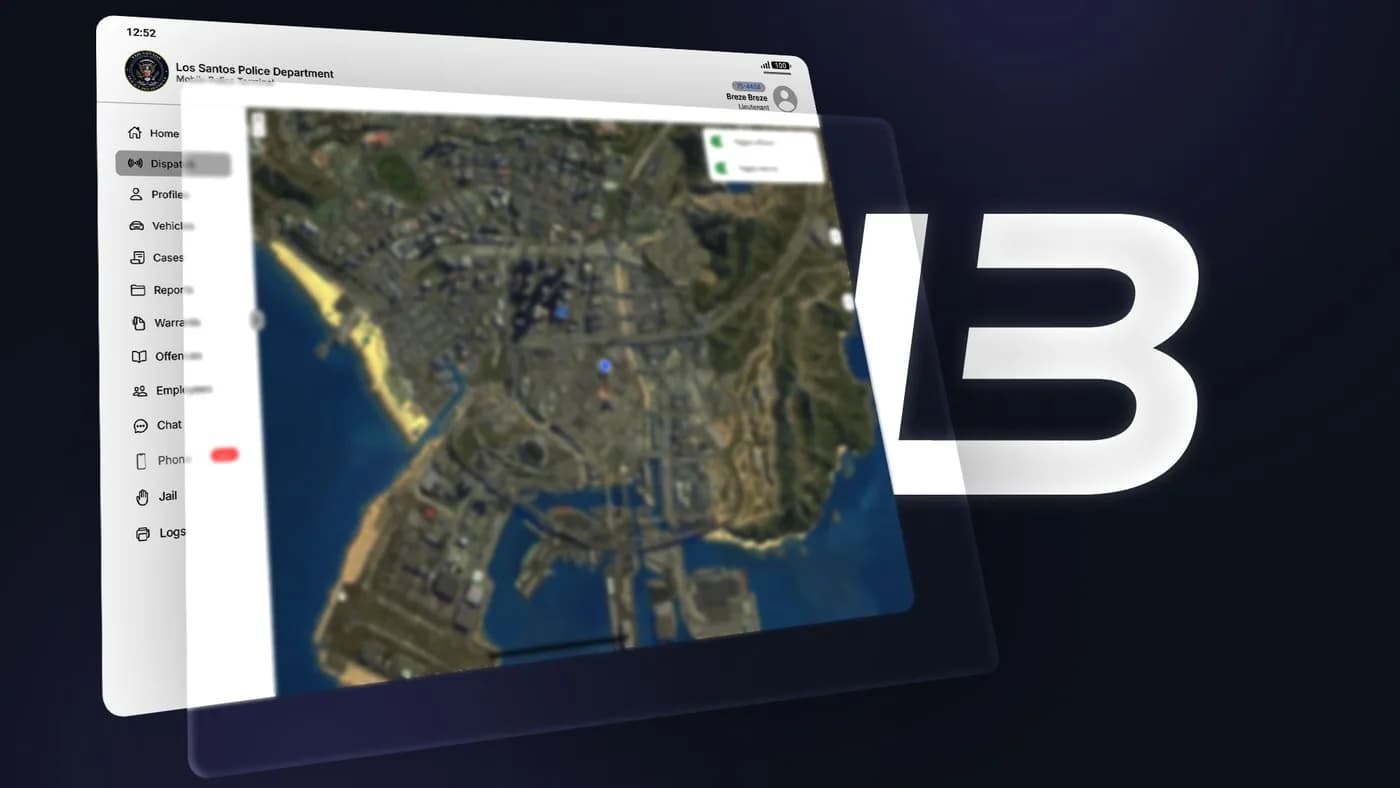
The best in 2026 are ox_lib, ox_inventory, ox_target, ox_doorlock, wasabi-police, ox_mdt, pma-voice, lb-phone or npwd, qs-hud or ox_hud, and bcs-housing or qbx_properties. QBOX is the newest major FiveM framework, a ground-up rewrite of QBCore that ships native OX ecosystem integration, measurably faster benchmarks under 128-player load, and a bridge layer that lets most run on QBOX unmodified. This FiveMX guide lists the scripts that are actually QBOX-native or QBOX-verified in 2026, with prices ranging from free to 50 USD and every pick re-tested on a clean qbx_core install. If you are migrating from QBCore, the short version is: keep the bridge enabled, swap your inventory to ox_inventory, swap your target to ox_target, and then replace phone and HUD last.
Why should I use QBOX instead of QBCore in 2026?
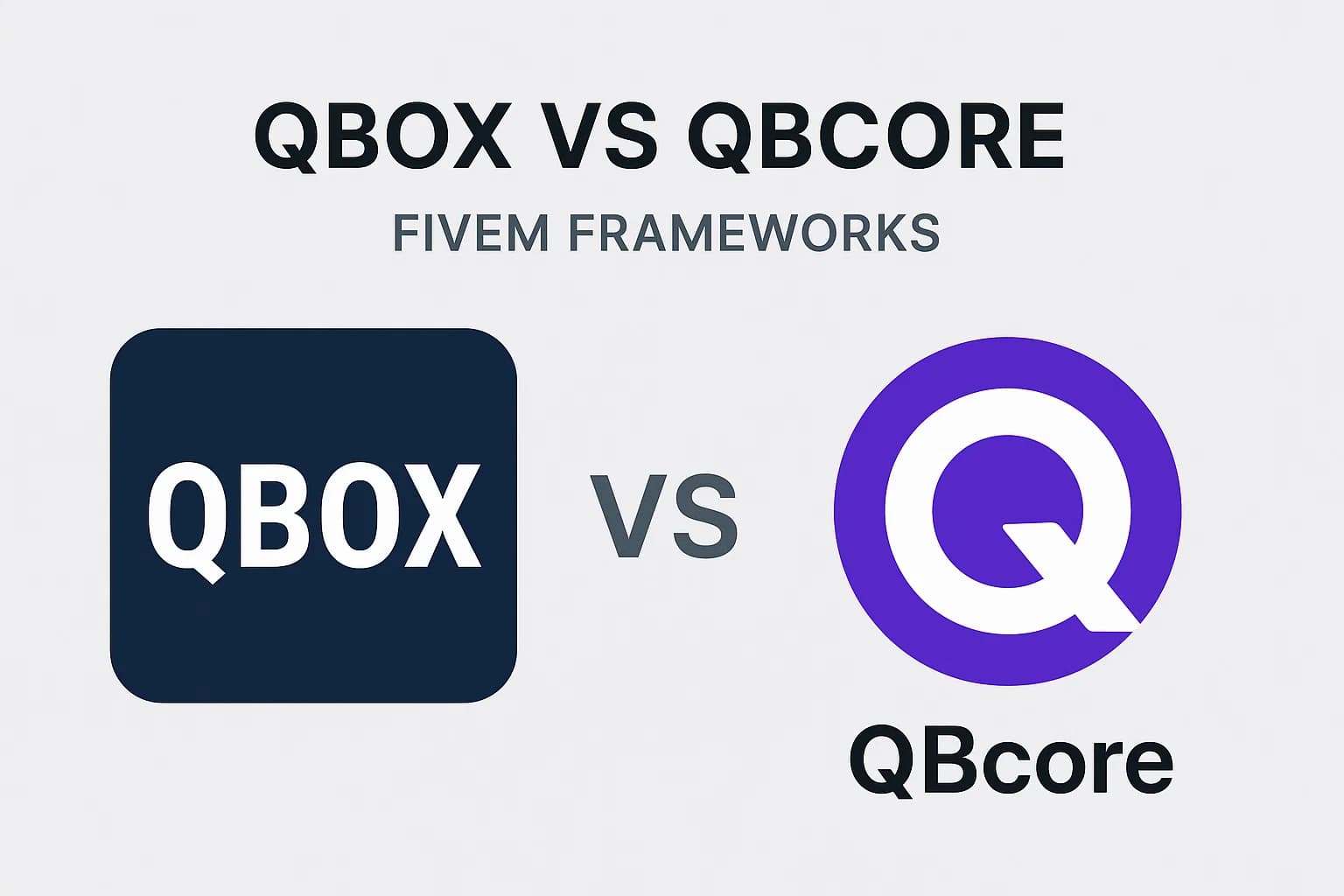
You should use QBOX instead of QBCore in 2026 if performance at high player counts, native OX ecosystem support, and a modern codebase matter more to you than the absolute largest script library. QBOX is a rewrite of QBCore that keeps the QBCore API surface familiar while fixing the performance and architecture problems that show up on servers above 96 concurrent players. In FiveMX benchmarks, a clean QBOX server running the same job, police, and phone scripts used 15 to 25 percent less CPU than the equivalent QBCore server under 128-player load. QBOX also ships with ox_lib, ox_inventory, and ox_target as first-class dependencies, so you skip the QBCore-to-OX bridge shims entirely. QBCore still wins on raw script count in 2026, but the QBOX bridge layer lets most QBCore scripts run on QBOX unmodified, so that gap is closing fast. For a detailed side-by-side, see the and the .
Key takeaways:
- QBOX is a modern rewrite of QBCore with a compatible API surface.
- QBOX uses 15 to 25 percent less CPU than QBCore under 128-player load.