Ir para o conteúdo principal
Início
Loja
Mods Grátis
Ferramentas
Pacotes
Full Servers
  1. Home
  2. Blog
  3. Development

ESX vs QBCore vs QBOX: Technical Framework Comparison 2026

Published on February 24, 2026·by Lars Miller(Founder & Lead Editor)·Credentials·8 min read
Developmentesx vs qbcore vs qbox technical

Choosing a framework is the single most consequential decision when building a FiveM server. It determines which scripts you can use, how your developers write code, the…
ESX vs QBCore vs QBOX: Technical Framework Comparison 2026

Introduction

FiveM QBox and QBCore Scripts Guide

Choosing a framework is the single most consequential decision when building a FiveM server. It determines which scripts you can use, how your developers write code, the performance ceiling of your server, and the long-term maintainability of your stack. In 2026, three frameworks dominate the scene: ESX Legacy, QBCore, and QBox. Each has distinct strengths, trade-offs, and ideal use cases.

This is a technical comparison — not a popularity contest. We'll cover architecture, API design, performance, ecosystem maturity, and future trajectory. By the end, you'll have a clear picture of which framework fits your specific situation.

After choosing a framework, move into the matching commercial paths: QBCore scripts for QBCore servers, the broader FiveM scripts hub for category planning, FiveM bundles for discounted multi-script stacks, and the premium shop for individual products.

Framework Origins and Philosophy

ESX Legacy

ESX (EssentialMode Extended) is the oldest of the three, originally released around 2017. ESX Legacy is the community-maintained fork that replaced the original abandoned version. Its design philosophy prioritizes broad compatibility and simplicity — ESX scripts tend to be straightforward, server-authoritative, and easy to modify even for beginner developers.

ESX operates on a job-grade system where every player has a job and a grade within that job. This model maps cleanly onto traditional RP server structures and has been refined over years of community contributions. The GitHub repository for ESX Legacy is available at github.com/esx-framework/esx_core.

QBCore

QBCore launched in 2020 as a modern alternative to ESX. It introduced a more opinionated architecture, a built-in inventory system, a player data model centered on citizen IDs, and a resource structure that encouraged consistent patterns across scripts. QBCore grew rapidly due to its active community, large free script library, and the perception that it represented a cleaner codebase.

QBCore's philosophy is cohesion — scripts are expected to follow shared patterns, use shared exports, and integrate with the core player data object. The tradeoff is a steeper learning curve for developers coming from ESX or standalone scripting.

QBox

QBox is the newest of the three, forked from QBCore with significant architectural improvements. Its primary goals were performance, modularity, and correctness. QBox disaggregated QBCore's monolithic core into smaller, independently updatable modules, adopted ox_lib as a first-class dependency, and introduced stricter patterns for inter-resource communication. There is an official migration guide from QBCore to QBox for servers considering the transition.

Architecture Comparison

Core Structure

AspectESX LegacyQBCoreQBox
Core designMonolithic resourceMonolithic coreModular (split resources)
Player data modelJob + grade + accountsCitizenID + job + gangCitizenID + job + gang (refined)
InventoryExternal (ox_inventory recommended)qb-inventory (built-in)ox_inventory (built-in)
Primary languageLuaLuaLua
Server-side authorityPartialPartialStrong
ox_lib dependencyOptionalOptionalRequired

Database Approach

All three frameworks use MySQL via oxmysql (the modern standard) or the older mysql-async. The schema design differs significantly:

  • ESX: Players stored with job, job_grade, accounts JSON column. Metadata lives in multiple columns.
  • QBCore: Players stored with citizenid as primary key, charinfo and metadata as JSON blobs. Simpler schema, harder to query directly.
  • QBox: Similar to QBCore but with cleaner separation between character data and player metadata. Easier to extend without touching core tables.

API Design and Developer Experience

ESX API

ESX exposes its API through a shared object retrieved via exports:

local ESX = exports['es_extended']:getSharedObject()
local xPlayer = ESX.GetPlayerFromId(source)
xPlayer.addMoney(500)
xPlayer.setJob('police', 3)

The API is procedural and easy to reason about. Every function call is explicit. The downside is verbosity — common patterns require multiple API calls, and error handling is left entirely to the script developer.

QBCore API

QBCore uses a similar export pattern but centers everything around the player's data object:

local QBCore = exports['qb-core']:GetCoreObject()
local Player = QBCore.Functions.GetPlayer(source)
Player.Functions.AddMoney('cash', 500)
Player.Functions.SetJob('police', 3)

The namespacing (QBCore.Functions, Player.Functions) is more structured but creates deeply nested call chains. QBCore also standardizes shared configuration through QBCore.Shared tables, which reduces duplication across scripts.

QBox API

QBox refactored the API to use ox_lib's class system and direct exports rather than a global core object. This reduces coupling and enables tree-shaking — resources only load what they need. The ox_lib integration also provides standardized UI components (progress bars, context menus, notifications) that eliminate the need to bundle UI libraries in individual scripts.

-- QBox uses direct module imports
local player = require '@qbox-core.modules.player'
local xPlayer = player.getPlayer(source)
xPlayer.addMoney('cash', 500)

Performance Benchmarks

MetricESX LegacyQBCoreQBox
Core resource tick rate~1ms avg~0.8ms avg~0.4ms avg
Player join timeMediumMediumFast
Memory footprint (core)HigherMediumLower (modular)
Script ecosystem overheadVaries widelyModerateLower (ox_lib shared)
Database query patternsLegacy (some inefficient)Modern (oxmysql)Modern (oxmysql, optimized)

QBox's modular design means only loaded modules consume memory and tick time. On a server running 80+ resources, this difference becomes measurable. However, ESX and QBCore are both stable and capable of running high-population servers — the performance delta only becomes meaningful at scale or with many concurrent players.

Script Ecosystem Size

CategoryESXQBCoreQBox
Free scripts (GitHub)LargestVery largeGrowing
Paid scripts (Tebex)LargestVery largeGrowing fast
Native compatibilityHighHighMedium (some porting needed)
ox_lib native supportPartialPartialFull
Script quality floorVariableVariableHigher (stricter patterns)

ESX has the largest absolute script count due to its age. However, many ESX scripts are unmaintained forks from 2018-2020. QBCore's ecosystem is more consistently maintained. QBox has the smallest ecosystem but the highest average script quality, and the number of native QBox resources is growing rapidly in 2026.

Community Activity and Support

DimensionESX LegacyQBCoreQBox
GitHub starsHighVery highHigh (growing)
Discord activityLarge, mixed qualityLarge, activeSmaller, high signal
Documentation qualityModerateGoodGood
Core update frequencyModerateActiveVery active
Breaking changesRareOccasionalMore frequent (early stage)

Inventory System Integration

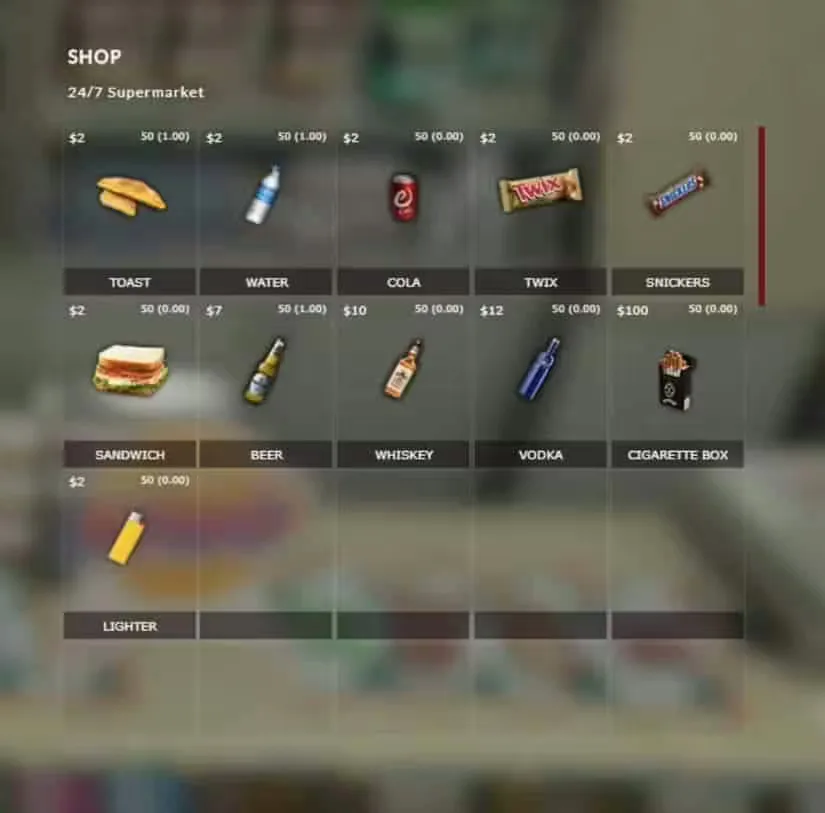
Inventory integration affects the entire server feel — how items are stored, how scripts interact with player inventories, and the performance of high-frequency item operations. See our dedicated inventory scripts guide for a full comparison.

  • ESX: Default inventory is basic; most servers replace it with ox_inventory or lj-inventory
  • QBCore: Ships with qb-inventory; many servers switch to ox_inventory for better performance
  • QBox: Ships with ox_inventory natively; no migration needed

Migration Paths

ESX to QBCore

The ESX-to-QBCore migration is the most common server transition. Player data requires a migration script to convert accounts to QBCore's inventory format. Most scripts require a framework-specific version or fork. Expect 2-4 weeks of development time for a full server stack migration.

QBCore to QBox

This is a more surgical migration. QBox is a QBCore fork, so player data schemas are similar. The main work involves updating resource imports, replacing qb-specific UI calls with ox_lib equivalents, and auditing scripts for QBox compatibility. Refer to the official QBCore to QBox migration guide.

ESX to QBox

The hardest migration. Essentially rebuilding the server from scratch with a new data model. Only recommended if you're starting with a small, freshly wiped server.

Which Framework Should You Choose?

ScenarioRecommended
First server, beginner developersESX Legacy
Established server, large free script needsQBCore
New server, performance focus, modern patternsQBox
Large team, long-term maintainability priorityQBox
Existing ESX server, not migratingESX Legacy (keep, optimize)
Existing QBCore server considering upgradeQBox (migrate)

Setting Up Your Server

Regardless of which framework you choose, a solid foundation requires more than just the core. See our complete FiveM server setup guide and our overview of essential FiveM scripts for a complete picture of what a production-ready server stack looks like.

For premium, pre-configured scripts compatible with all three frameworks, browse the FiveMX shop.

Future Outlook (2026 and Beyond)

ESX Legacy will remain dominant by raw server count for years due to installed base inertia. QBCore will continue to see strong community activity and script releases. QBox is positioned as the framework of choice for new projects — its architectural decisions align with where the FiveM development community is heading: modular resources, ox_lib as a shared standard, and stricter server-authority patterns.

The trend across all three frameworks is convergence toward ox_lib for UI and utility functions. If you start a new server today, building on QBox gives you the most future-proof starting point.

FAQ

Can I use QBCore scripts on a QBox server?

Many QBCore scripts work on QBox with minor modifications, since QBox is a fork. The main changes needed are updating import paths and replacing qb-specific UI calls with ox_lib equivalents. Check each script's GitHub issues for QBox compatibility notes before migrating.

Is ESX dead in 2026?

No. ESX Legacy remains actively maintained and has the largest installed base of any FiveM framework. Thousands of servers run ESX successfully in 2026. It's not the most modern choice for new projects, but it is far from dead.

Does the framework choice affect player-facing experience?

Directly, less than you'd think — players experience the scripts built on the framework, not the framework itself. Indirectly, framework choice affects which scripts you can install, how polished those scripts are, and server performance under load — all of which players notice.
What is ox_lib and why does QBox require it?

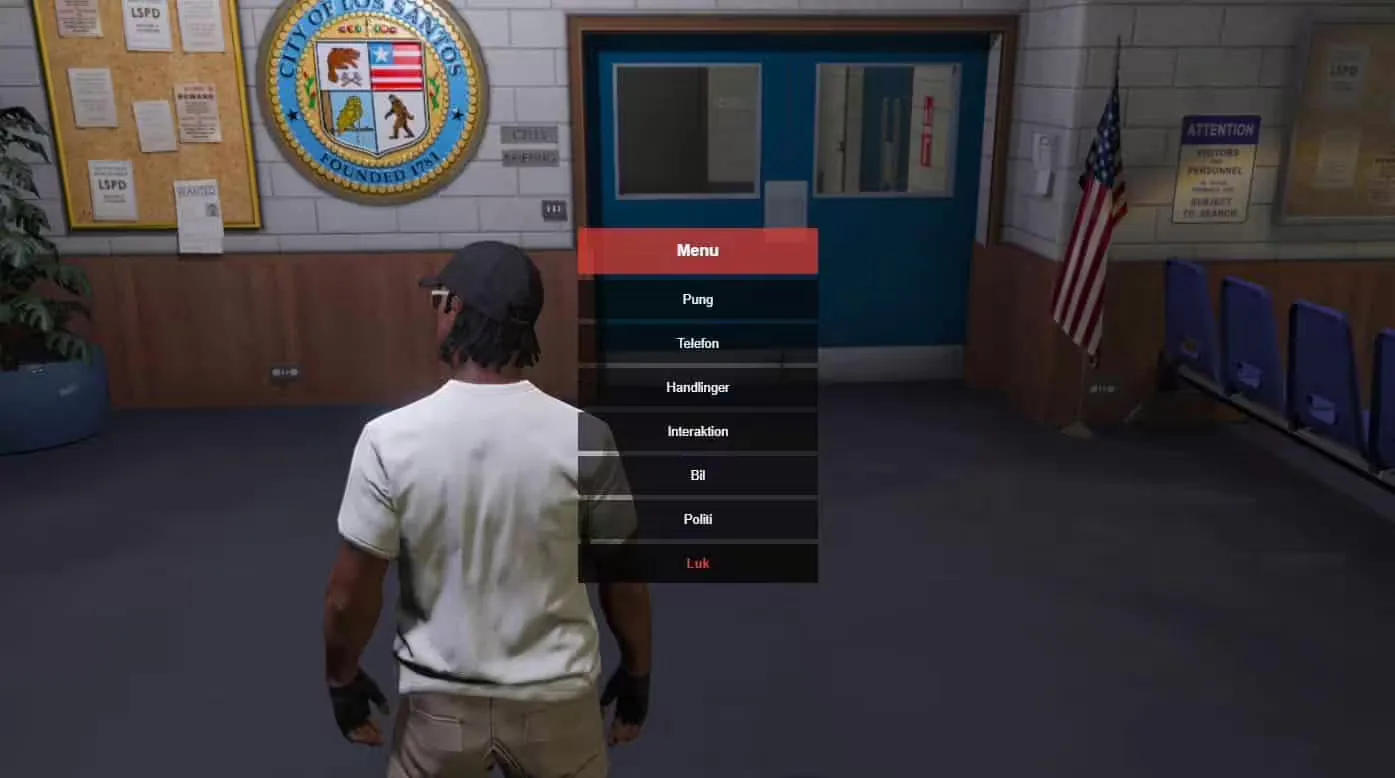
ox_lib is a shared resource library maintained by the Overextended team. It provides UI components (progress bars, context menus, radial menus, notifications), utility functions, and class-based OOP patterns for Lua. QBox made it a first-class dependency to standardize UI and eliminate duplicate code across the ecosystem. Learn more in the ox_lib complete guide.

Frequently Asked Questions

Can I use QBCore scripts on a QBox server?

Many QBCore scripts work on QBox with minor modifications, since QBox is a fork. The main changes needed are updating import paths and replacing qb-specific UI calls with ox lib equivalents. Check each script's GitHub issues for QBox compatibility notes before migrating.

Is ESX dead in 2026?

No. ESX Legacy remains actively maintained and has the largest installed base of any FiveM framework. Thousands of servers run ESX successfully in 2026. It's not the most modern choice for new projects, but it is far from dead.

Does the framework choice affect player-facing experience?

Directly, less than you'd think — players experience the scripts built on the framework, not the framework itself. Indirectly, framework choice affects which scripts you can install, how polished those scripts are, and server performance under load — all of which players notice.
Previous Article

Best FiveM Job Scripts 2026: Essential Roleplay Careers

Next Article

Top 10 FiveM Medic and EMS Scripts for 2026

More on This Topic

QBox Framework Guide: Migrate from QBCore and Boost Performance (2026)Best QBCore Scripts 2026: Essential Server StackHow to Migrate ESX → QBCore the Right WayQBOX vs QBCore: Which FiveM Framework Should You Choose?Adapter Patterns: ESX, QBCore & QBOX (Exports, Events & APIs)

Turn framework research into a launch-ready script stack

Use this guide to narrow the framework decision, then move into the core commercial hubs for verified scripts, curated bundles, and a faster server launch path.

Framework hub

Browse QBCore-ready scripts

Move into the QBCore landing page to compare verified scripts, framework fit, and install-ready products built for modern FiveM servers.

Open QBCore hub

Framework hub

Review the ESX script path

Use the ESX landing page to compare framework-specific resources, launch guidance, and premium products that fit ESX-first servers.

Open ESX hub

Premium catalog

Browse premium FiveM scripts

Move from research into the main shop to compare real products, framework labels, screenshots, and production-ready quality signals.

Open premium shop

Launch faster

Compare curated bundles

Bundles shorten the path from planning to launch by grouping the highest-leverage scripts into a cleaner commercial starting point.

View bundles

Disclosure: Some links below are affiliate links to FiveMX products. We may earn a commission at no extra cost to you.

Premium Scripts You Might Like

ESX Menu Design

ESX Menu Design

$8.99
ESX Inventory HUD V16

ESX Inventory HUD V16

$13.99
ESX Plugin For EasyAdmin

ESX Plugin For EasyAdmin

$7.99
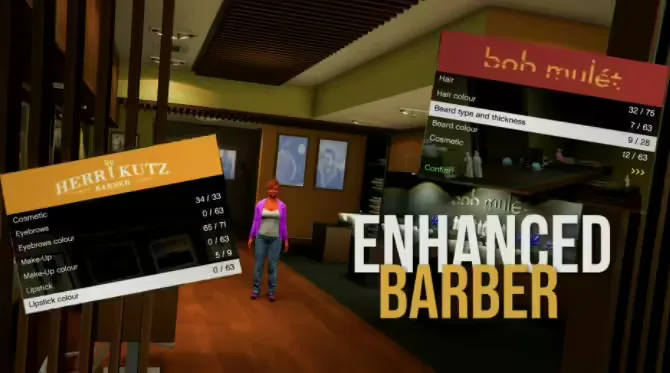
ESX Enhanced Barber

ESX Enhanced Barber

$21.99

Free Scripts You Might Like

Project X Prompt Sandy Bank Robbery Heist - QB | QBOX | ESX | Custom

Project X Prompt Sandy Bank Robbery Heist - QB | QBOX | ESX | Custom

294 downloads
Realistic Grapple Gun - Nodus Scripts

Realistic Grapple Gun - Nodus Scripts

202 downloads
OP Gangs 3.0 — Most Advanced Gang Script [ESX/QB/QBOX]

OP Gangs 3.0 — Most Advanced Gang Script [ESX/QB/QBOX]

161 downloads
[FREE][QBOX][QBCORE] Pawnshop Script + FREE MLO

[FREE][QBOX][QBCORE] Pawnshop Script + FREE MLO

156 downloads

Related Articles

ESX Legacy Guide 2026: Is It Still Worth Using?

ESX Legacy Guide 2026: Is It Still Worth Using?

ESX is the original FiveM roleplay framework, and despite newer alternatives, it remains one of the most widely used frameworks in 2026.

February 24, 2026
FiveM Frameworks Explained: Complete Guide to ESX, QBCore & QBOX

FiveM Frameworks Explained: Complete Guide to ESX, QBCore & QBOX

FiveM frameworks form the backbone of roleplay servers. They're not just code libraries—they're complete systems that manage player identity, jobs, inventory, permissions,…

February 22, 2026
FiveM Server Performance: Linux vs Windows Complete Techn...

FiveM Server Performance: Linux vs Windows Complete Techn...

Performance Summary: Linux delivers 23% better CPU efficiency and 40% lower memory overhead compared to Windows Server 2022 in controlled FiveM hosting...

October 11, 2024
Secure CheckoutInstant AccessMoney-Back GuaranteeLifetime Updates
FiveMX

Premium FiveM scripts and mods for serious server owners.

Shop

  • Shop
  • QBCore Scripts
  • ESX Scripts
  • FiveM Scripts
  • Free Mods
  • Best Scripts & Mods

Help

  • About
  • FAQ
  • Support
  • Contact
  • Account
  • Affiliate Program

Legal

  • Privacy Policy
  • Terms of Service
  • Refund Policy
  • Cookie Policy
  • GDPR Compliance
  • DMCA
  • Imprint
  • Editorial Policy
© 2026 FiveMX. All rights reserved.·support@fivemx.com

FiveMX is not affiliated with Rockstar Games, Take-Two Interactive, or CFX.re. All trademarks are property of their respective owners.

Oferta Relâmpago — Até 19% de desconto!Oferta Relâmpago — 19% de desconto!Comprar Agora